

I probably still see about 10 HH amps each year. They pretty much all suffer from the same issues so I am going to revive this old post and add some more details in to help anyone working on one of these.
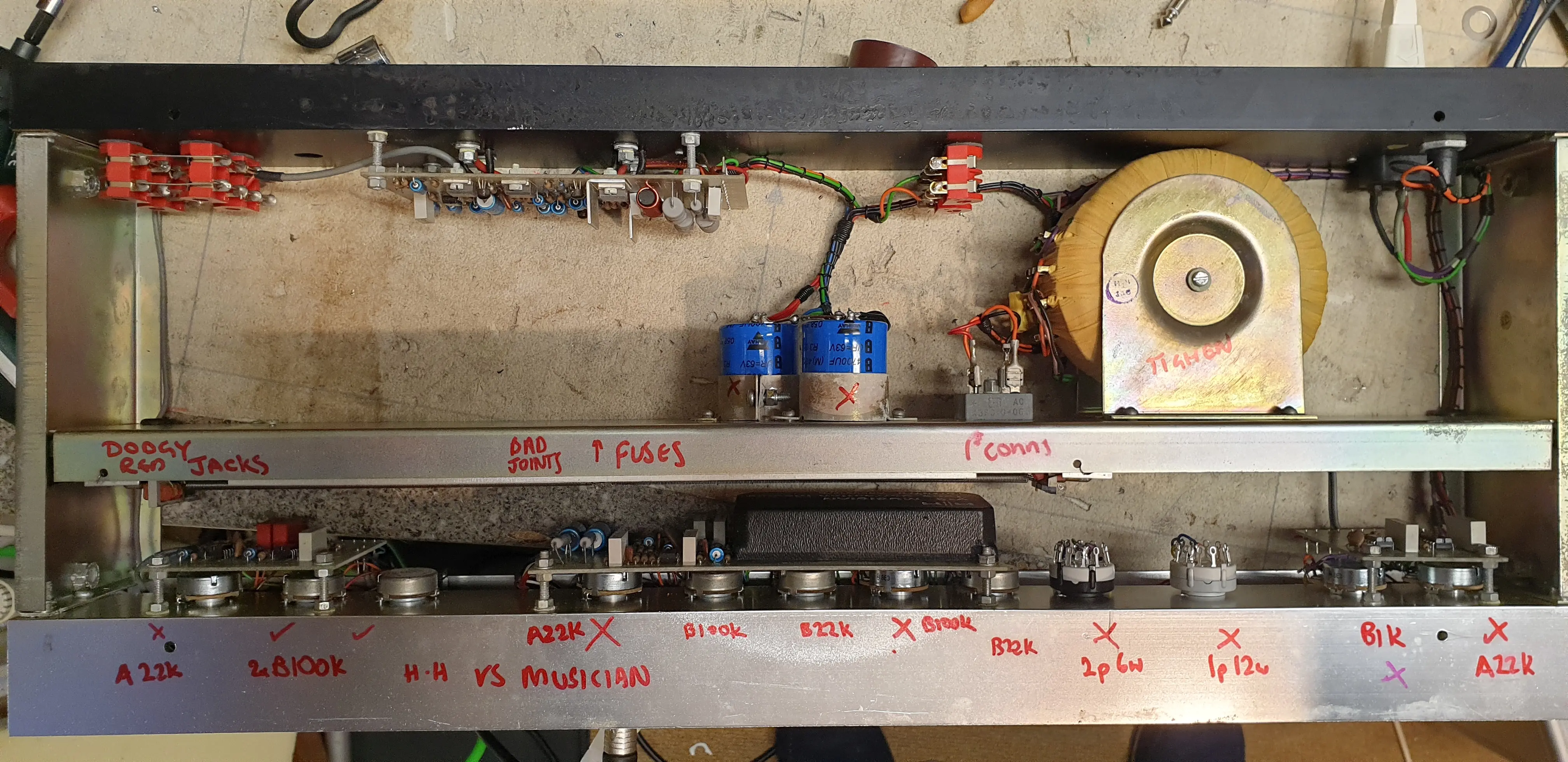
Just finished working on a very good condition HH VS Musician from 1977. Because it had its original vinyl cover it is in fantastic shape. Sounds wise this amp was suffering from noise, multiple time. I guess as things get older the problems just get on top of each other; a bit like life for humans too.
So there are noisy pots, that scratch and make the sound of the wind as they are turned. Connectors that cut in and out, usually when you look away.
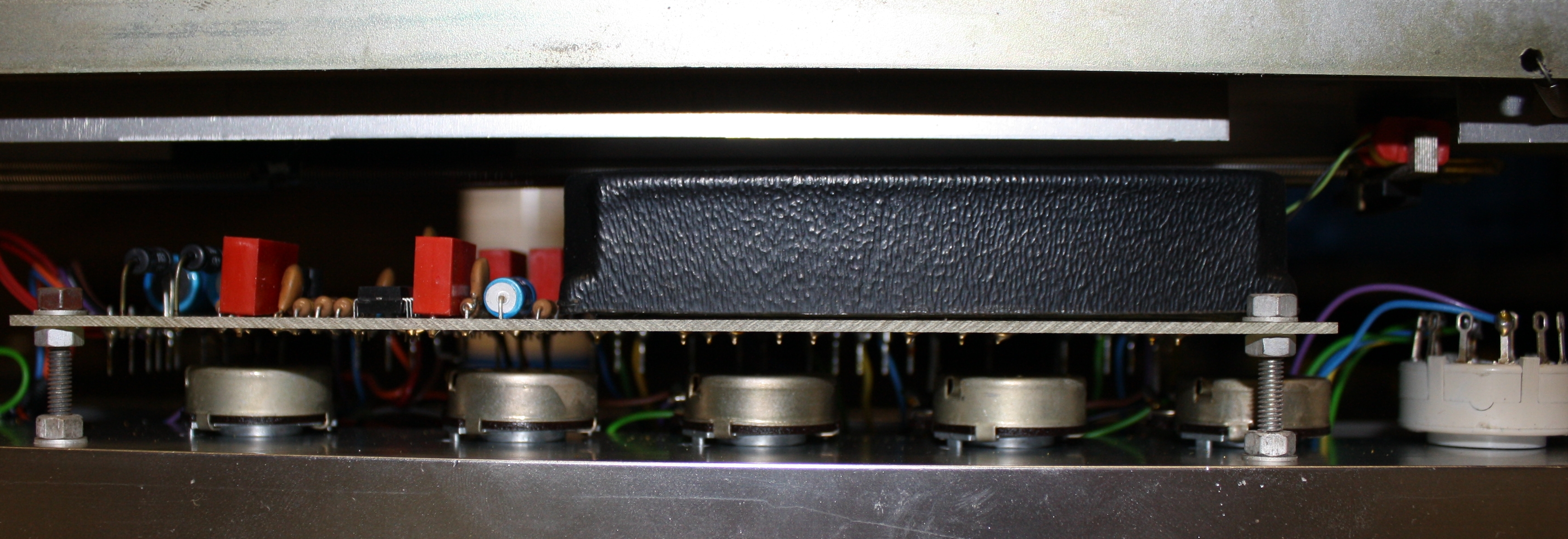
Also keep an eye out for the rotary and rocker switches as they often cause volume dips or cut outs. These parts are easily available and very much replaceable with just a bit of soldering to complete.
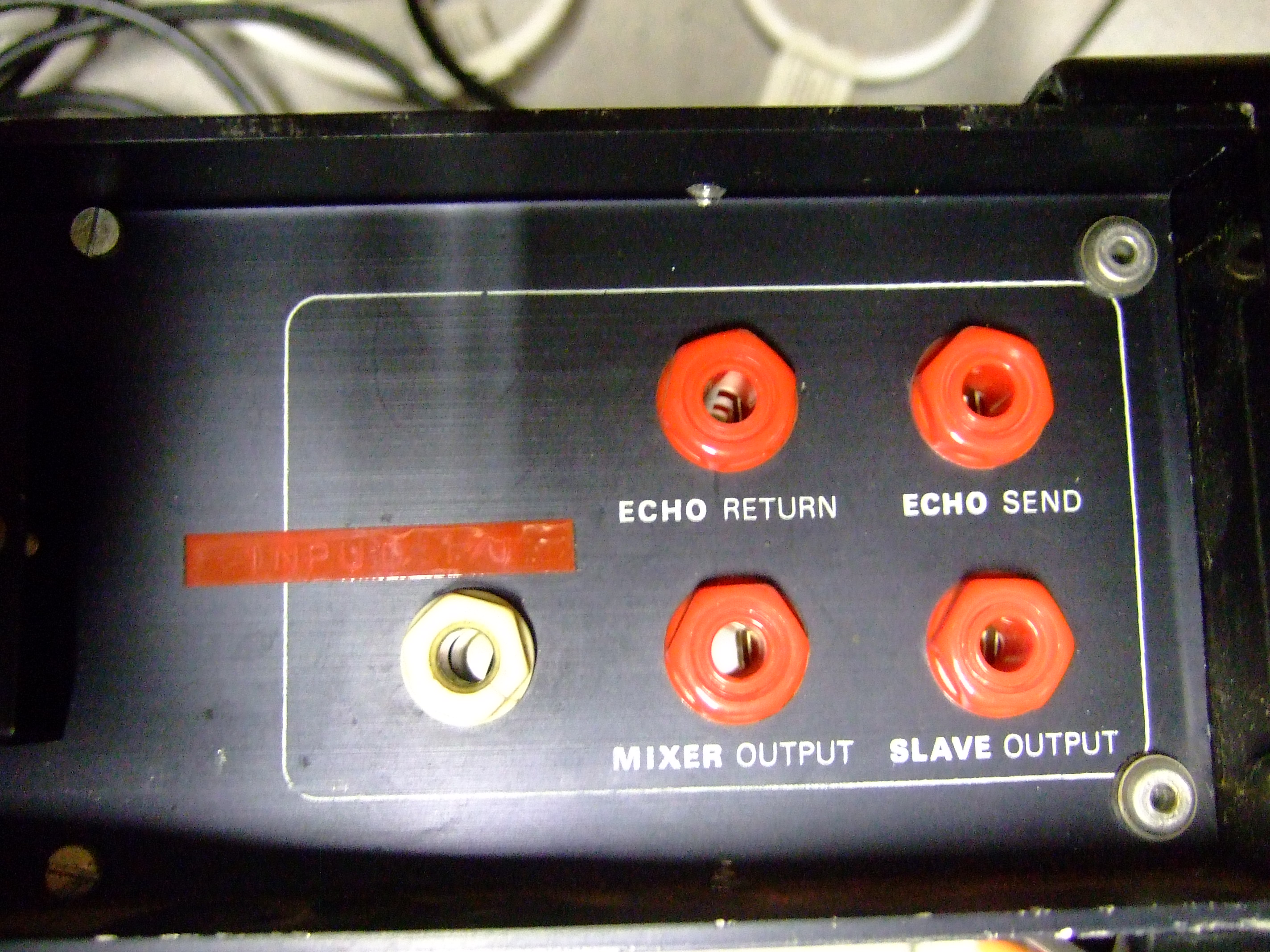
Then you have those annoying connectors on the rear that we almost never use – the effects loop. Your signal goes through those unused connectors and they suffer terribly from dirt and oxisdisation. Many techs will clean them and this might ease the symptoms for a while but I prefer to replace.
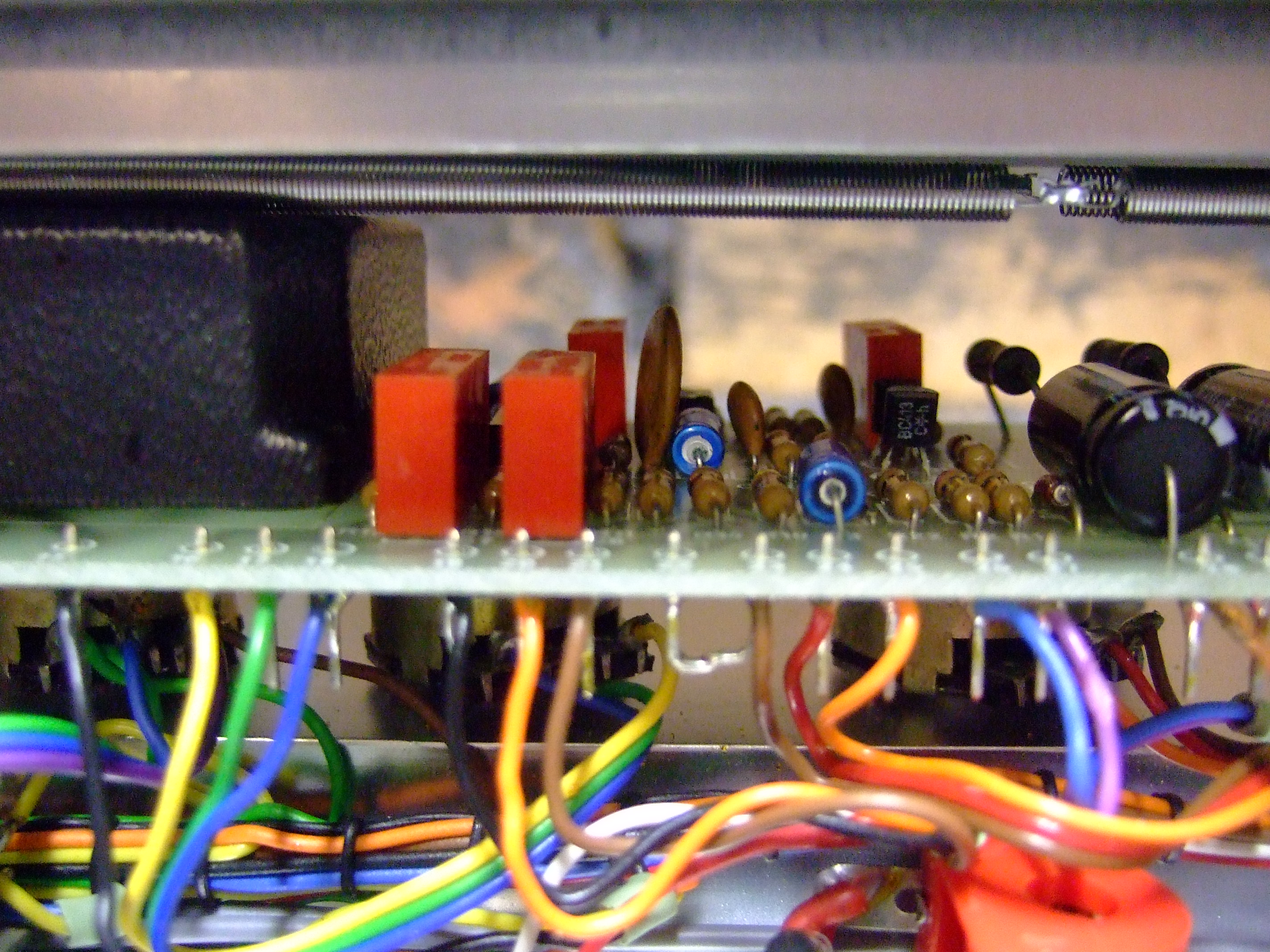
Most annoying is that scratchy sound that just won’t go away no matter which knobs you turn, which buttons you press or which connectors you fiddle with. Now often probing with a chop stick can identify some bad joint on the PCB or a connector, but often it is something else and something so subtle to find that there is no way to identify it without isolation and tools like an audio probe and oscilloscope; I favour the former as the scope requires eyes but the audio probe relies on ears – much better if you are not a multi-tasker. The fault that I am talking about is the humble op-amp. The little 8 pin chips dominated the HH range ofamps and many others and to this day they are many designers first choice. There seem to be three types of failure that I have observed:
- total – no signal despite a clear input
- severe distortion – where the signal turns into a robot like version of the input. Usually quite easy to identify.
- subtle scratchy noise – hard to spot. The amp works perfectly but you get a little scratchy signal where you expect silence. It’s really annoying. To identify which op amp you need to isolate sections of the pre-amp and completely separate stages.
On the HH amps you need to be careful because turning the volume of say channel one does not isolate channel one, just the input coming in to it. So if channel one op amps are playing up then there signal goes straight into the power amp and there you have it coming out of your speaker too.
Once the amp is put back together it sounds great again although the valve-sound never got me too excited.
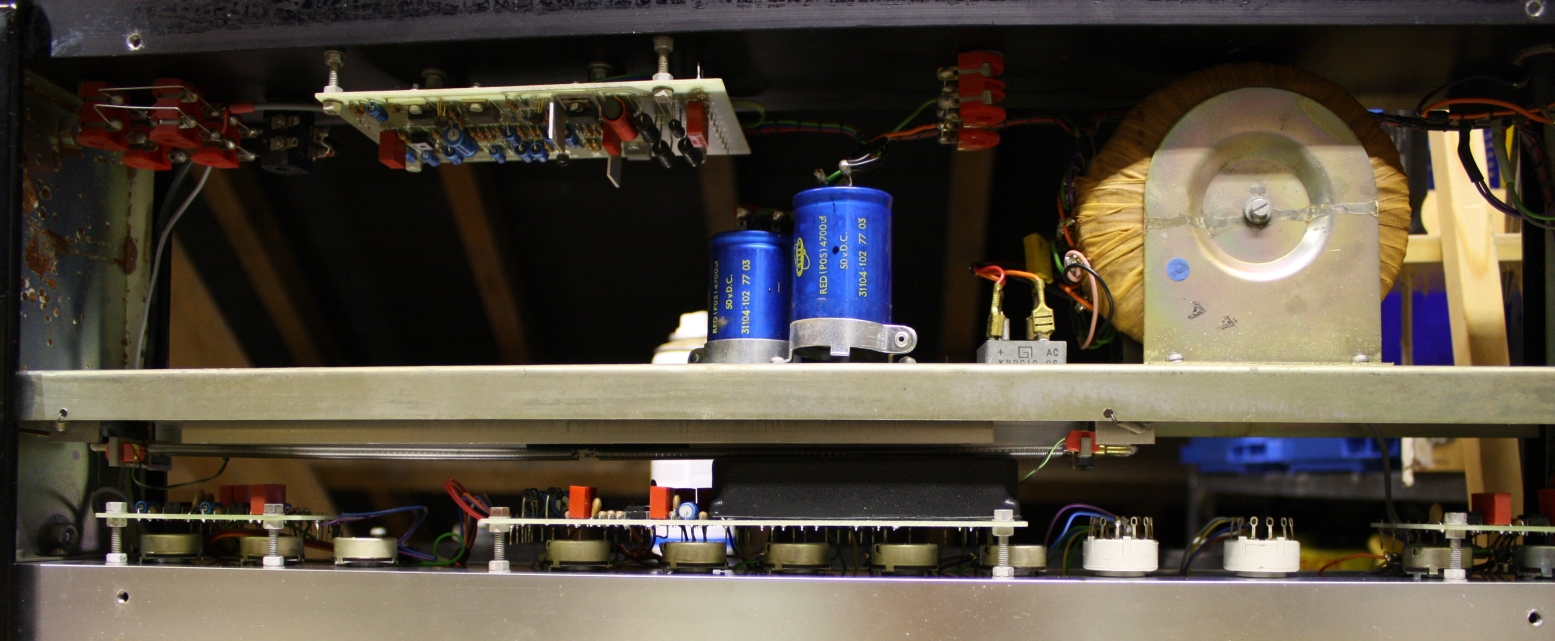
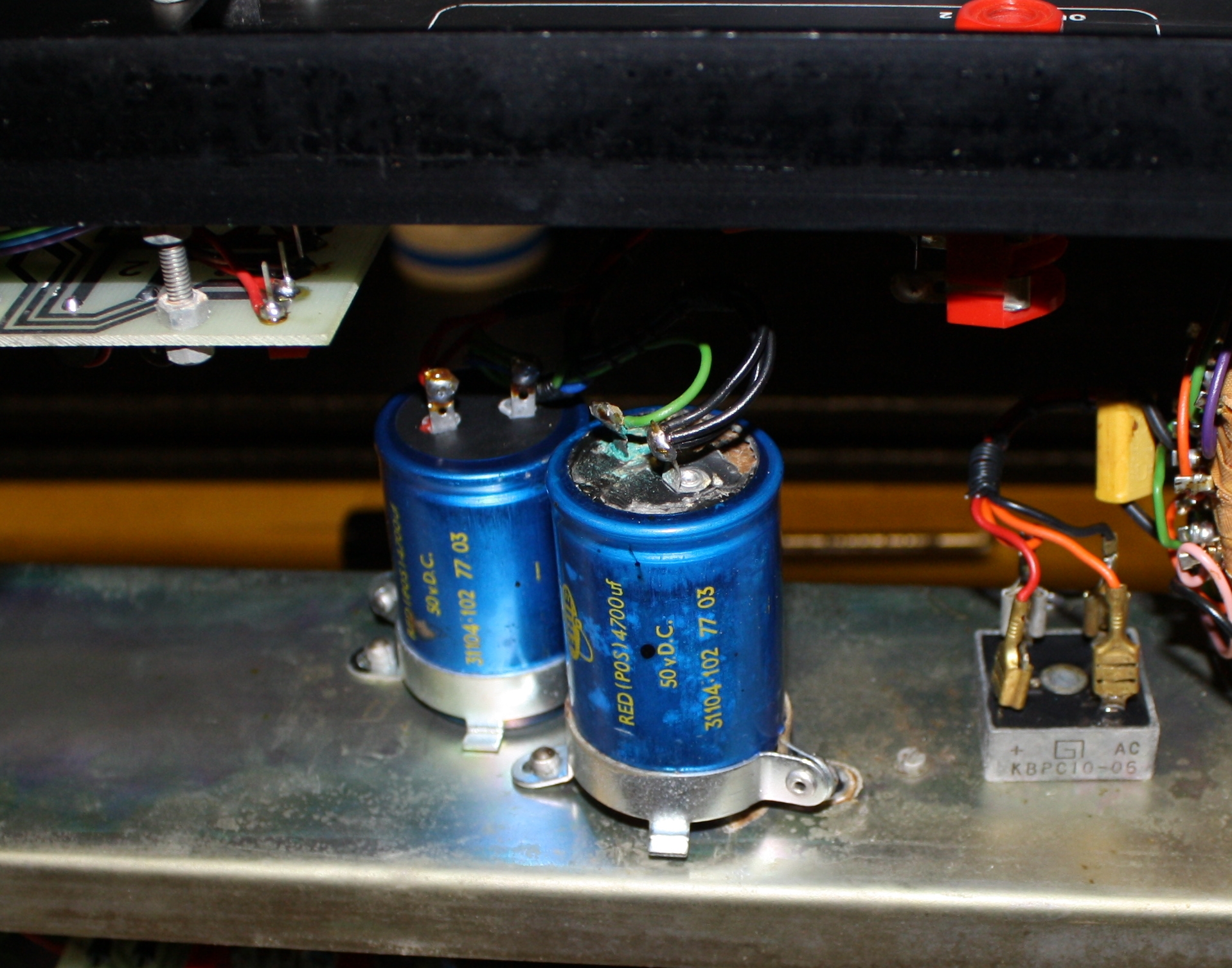
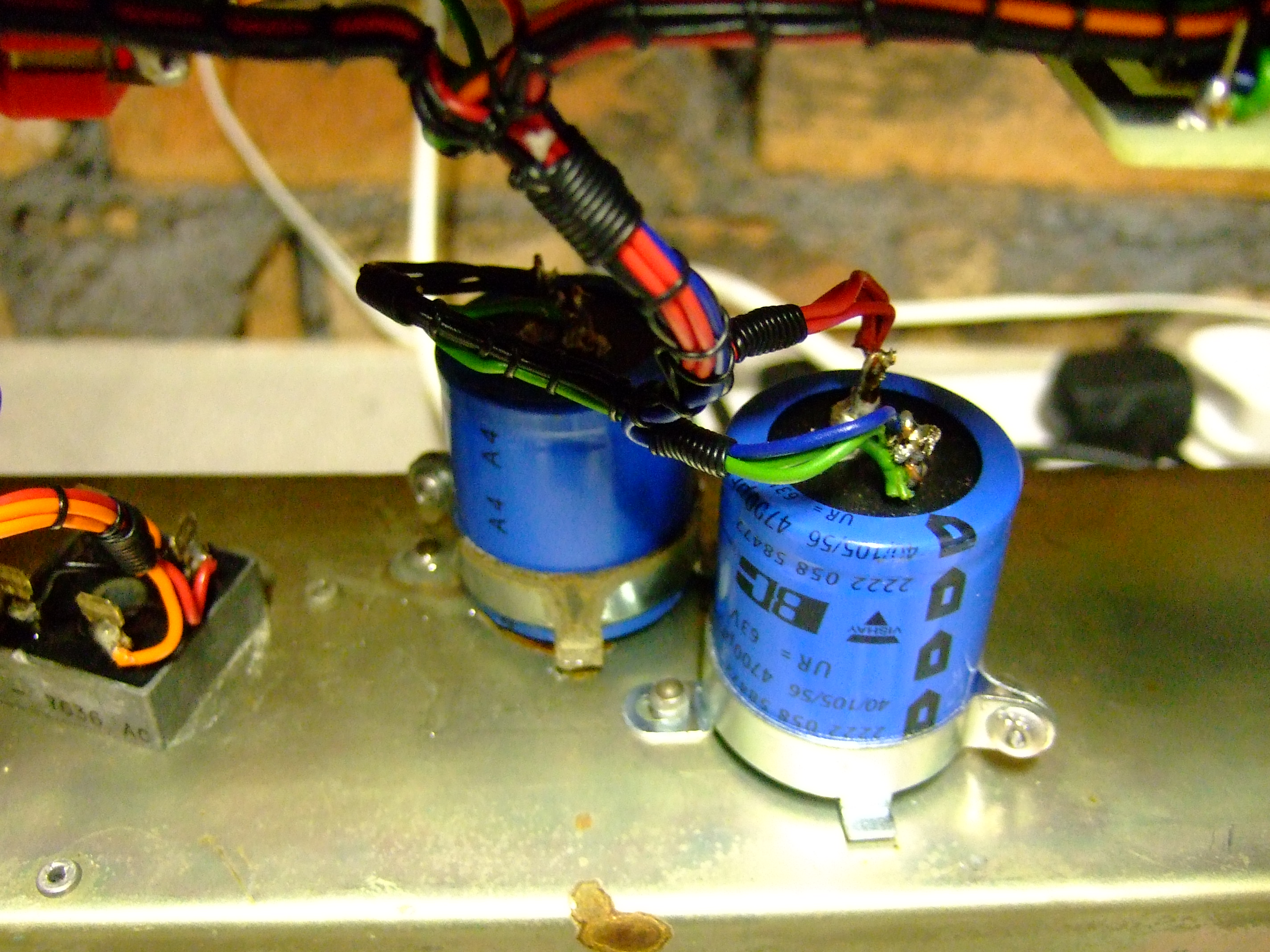
The other issues to look out for are the power supply capacitors. I pretty much replaced all of the ones that I service as they are usually ruptured and the replacements are easy swap out with just a couple of rivets to drill out, and a little soldering to complete.
Also do check the fuse holders on the power amplifier module, these do oxidise and will respond with a loud speaker bump if the connection is not solid.


More HH posts
- HH IC 100 (0)
 This HH IC 100 came to me with filter capacitors dried up. Simply replaced with high quality modern ones from CPC electronics. Fortunately they were ...
 - HH V-S Bass (0)This amp came in for a check up – nothing too much wrong with it from listening to it. However upon opening it up found ...
- HH VS-MUSICIAN (20)HH Head with the legendary “valve tone” switch and magic electronic black box to make this amp sound exactly like a not-so-popular-with-HH-at-least heavy unreliable valve ...

Hi, a different sort of question. I have recently bought a really well cleaned up 100VS lead HH and wanted to know if I could put a small 15 watt speaker cab on top without damaging it. It’s an Eganter Tweaker speaker cab and amp too. This is, of course, simply to save room. Would it cause any damage long term?
Thanks.
That should be OK. There are front and rear metal supports that make the front and rear panel are really strong so as long as you are resting on one of those I am sure it will be fine.
Good morning.
Some interesting info there…..I was wondering if you have worked on a HH MA100 P.A.amp? I tested one recently by connecting it to the speakers of a HH IC100 combo. The output was barely audible until volume mark 5 on the channel and 5 on the master volume. All channels were the same.The speakers are a 4 ohm load as I’m sure you are aware. Even when turned up full it was only minimal volume. Certainly no gig worthy Shouldn’t it be as loud as the I.C100?
Kind Regards
Mark
The amp in all the HH 100 Amps is basically the same module so large volume differences will be caused by some fault. Generally common problems are reduced volume due to oxidised send return jacks, front panel switches and aged power supply caps also the old pots do seem to be a common issue. They are very much worth restoring though as they are extremely well made and the green front panel warms everyones hearts.