

Arguably the most popular amp sold in the UK it is certainly the most popular portable combo amp that comes across my bench. It is a great clean amp for the money, not so adored on the fizzy drive channel but most seem to concentrate on the cleans. I think the reason for its success is to do with simplicity, price point and practical portability.
The amp has been around since the 90s as part of the Hot Rod series and barely been altered in all that time. See wikipaedia for a breakdown on the versions and history.
Overall the build quality of the amp is noticably mid range in places with tell tale signs like MDF cabinet, undersized output transformer, unresilient PCBs, plastic jack sockets. However money is spent in the important places like ply baffle, nice tolex, decent pots, handles. Component selection is good but not stunning and certainly not boutique amp level. But this is exactly what one would expect at this price point.
The amp comes in Deluxe, 40W and DeVille flavours with the latter being slightly higher power at 60W. The higher power is achieved just through a slightly upreated power supply so the amps sound the same basically. The speaker configurations are different with the Deville supplied as either 2×12″ and 4x 10″ configurations whereas the Deluxe is 1×12″. For touring use the Deville versions are best choice whereas for club use the 1×12″ is a good choice.
Hot Rod Buyers Guide
I am going to mention the issues that I regularly see this will give a good idea of what to expect when it comes to servicing over a longer period and also in some cases is useful as a buyers guide. The advice here applies both to DeVille and Deluxe variants.
Cabinet
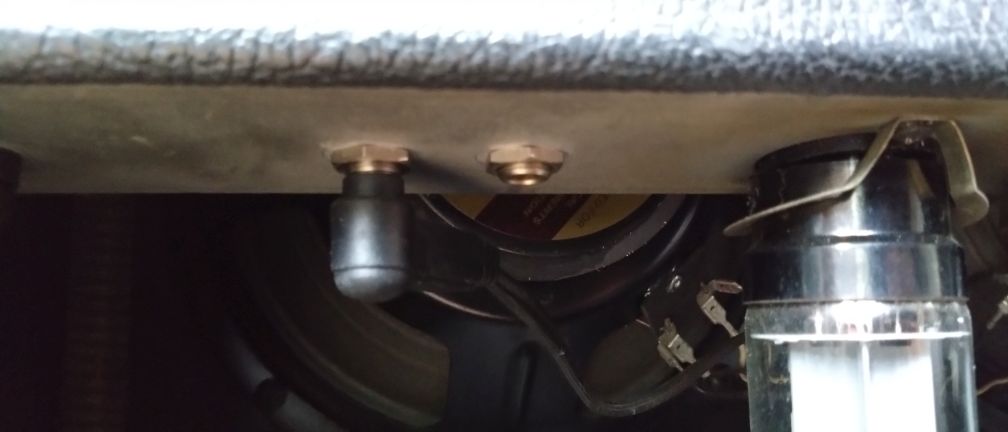
The cabinet is well made but one area of concern or at least regular attention is the way that the baffle is secured to the cabinet. There are four small screws from the front of the cab passing through the baffle and secured with locking nuts on the rear. These are almost always loose on the amps that I see on my bench and can result in rattles so just tighten them up from time to time.
Front Panel
On the front panel you will find the usual pots and connectors and all of these are thoroughly reliable and well protected by the cabinet as they are recessed. I occasionally have to change a couple of volume or gain pots due to age related wear but in general Fender use very good parts and repair tends to be less common than other comparable brands. If you have a cover then of course this helps massively to protect it as well. A cheap hack for a cover is an Ikea blue bag fis perfectly on the 1×12″ speaker versions of the Hot Rod.
The input jacks are kind of flimsy plastic parts and a bit a weak spot. They are regularly damaged and/or have bad solder contact to the PCB. Repair and replacement is always possible but does require thorough joint cleaning and preparation otherwise the repair will not last. I usually encourage upgrading the these jack sockets with switchcraft nickel parts which are much tougher as per vintage Fenders.
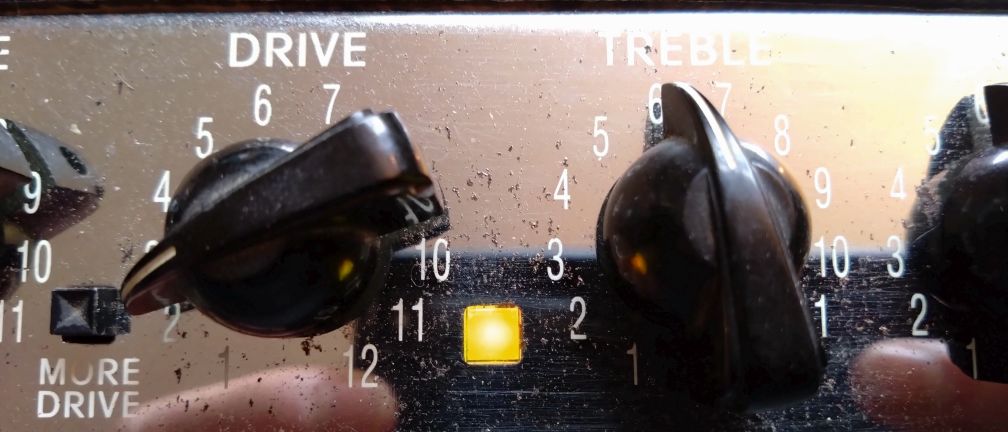
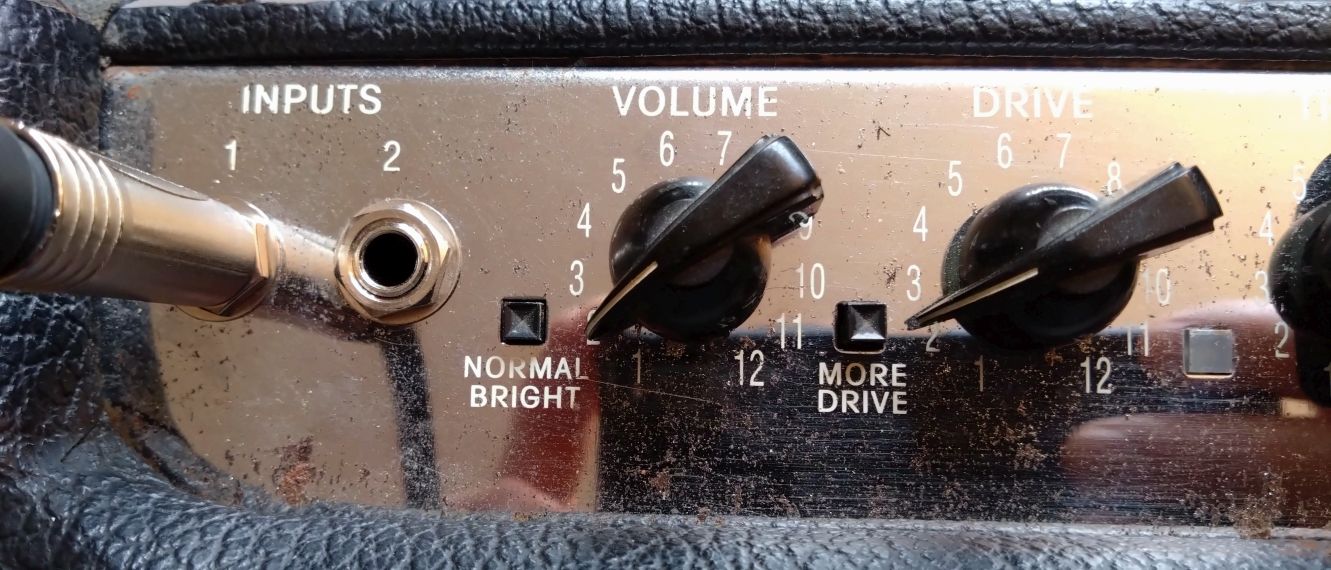
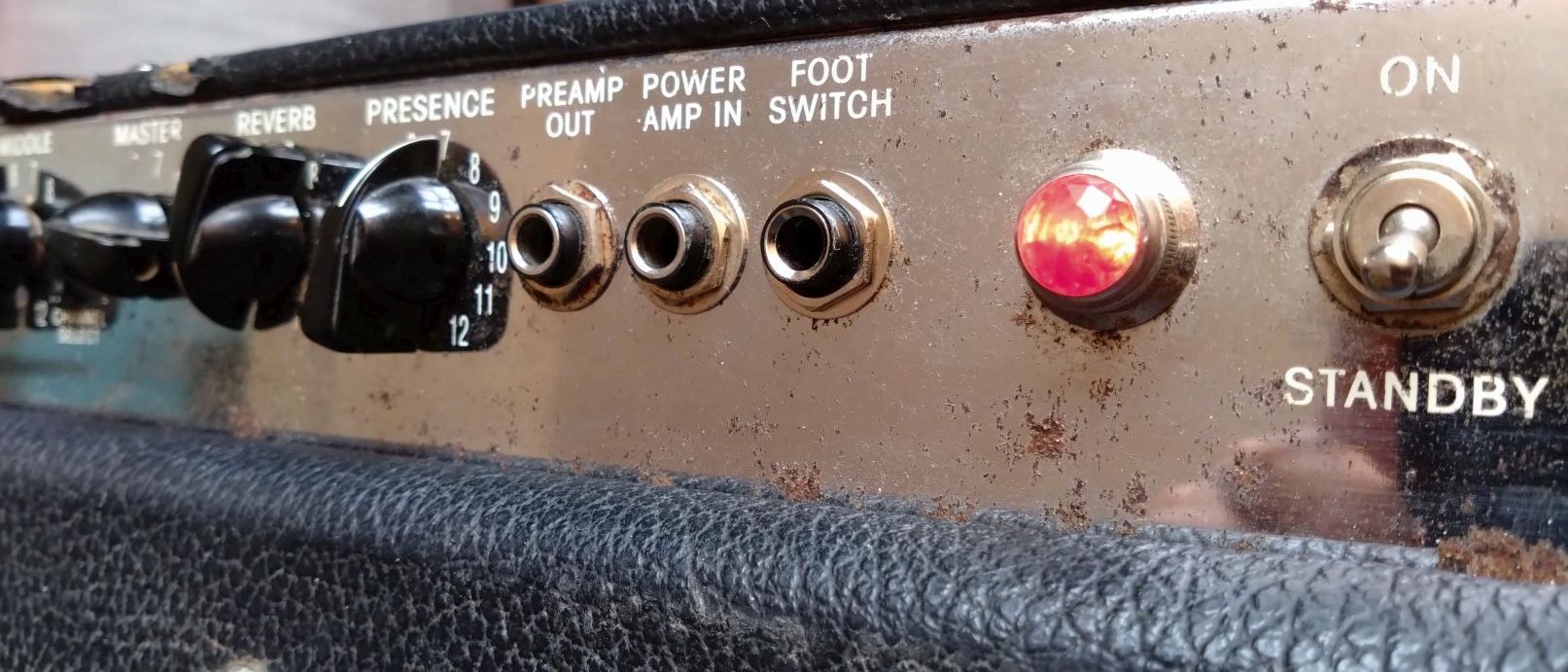
The red jewel lamp is something that commonly suffers from unreliabililty. It has an unnerveing habit of working for thirty minutes and then flickering and fading out. If you tap it might come back to olife
The FX loop (marked as pre / power amp) and footswitch jacks are usually reliable perhaps because they generally get less use. All of these are prone to cracked solder joints and worth inspecting during a service. This is typical age related wear.
If you do experience channel switching issues then this can be related to the footswitch, panel switches, jacks and cabling of course but most commonly it is an internal fault related to PCB solder connection integrity. It is often the two colour LED since people often push at it does look a button a little bit, the low voltage dropper resistors that supply the switching relays or the medium power resistor that feeds the switching circuit; it is a bit close to the PCB and heat damage takes its toll on the joints over time.
Rear Panel
Extension Speaker jack unreliability is a very common problem. There are two speaker jack connectors on the bottom of this amp. One is for the main speaker and the second one is for adding another cabinet. All fine so far.
However there are a couple of issues the come up. The extension speaker jack socket contains switching contacts that change the wiring of the speaker as you add the speaker configuration. The issue is that since almost nobody uses an extension cab, then as the amp ages, the contacts mis-behave and your main speaker connection cuts out as the contacts lose their tension or deteoriate. Replacing the jack socket is the answer here or burnishing the contacts can be worth a try.
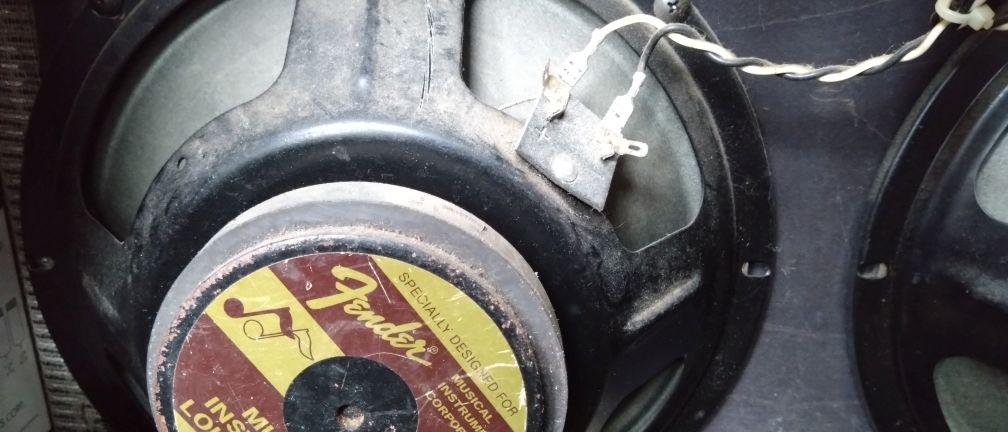
A further issue the can occur is when someone plugs into the wrong speaker connector. If you plug the main speaker into the extension socket then you will hear a terrible you guitar but very quietly and scratchy sounding. This is because the speaker circuit is incomplete since the main jack connector is empty. The speaker connections are illustrated on the sticker on the left hand side panel but, they are not that clear to be honest. I suspect that when an amp is mis-behaving people flip the jack connector as part of some investigation and then foprget about it.
Internals
Inside the amp there are two circuit boards of a PCB type. The quality of the boards is pretty low so any repairs to the board can cause further damage. If you are careful with heat on the soldering you can be successful but often the damage is pre-existing and so you have to repair by rewiring the board in repair areas. There are some notable weak spots…
The two PCB are connected with ribbon cables and these wires can break after being flexed many times so when working on an amp of this design, always minimise the number of movements to protect the cables.
Dropper resistors that supply the low power op-amp chips for reverb and channel switching are the main weak spot in this amp. These are the white rectanglular blocks in the centre of the PCB near the valve PCB. The problem is that these get super hot at around 80 degrees C and damage the board. Scorch damage is permanent and causes PCB to misbehave completely as the dark carbonised sections become good conductors of electricity causing havoc to the amp. Long term repair solution is to remove these parts and replace with beefy chassis resistors that dissipate the heat onto the chassis. Following this all the damaged PCB material must be removed by drilling out e.g. a dremel with a grinding stone is perfect and oddly satisfying activity. The damaged connections must then be hardwired in. This is a highly recomended preventative mod that will turn Fenders Hot Rod into an everlasting amp.
PCB joint issue is common on amps of this series and can cause noise like crackles or erratic behaviour. The main PCB is connected to the valve PCB via some ribbon cables that are prone to breaking and will usually result in similar noises as the PCB joint with loud cracks giving quite a scare to nervous sound guys.
Other issues include plate resistor noise in the form of frying bacon crackle whilst the guitar is quiet. This is entirely to be expected after ten years of use in many amps so not a big complaint.
The power supply caps are from the Illinois Cap company and are a budget part. They are a little prone to failure and can be upgraded to other makes especially F&T which are a higher end part that is more comfortable with the high temperature environment.
Other noise issues is caused by the untidy internal wiring which can be tidied up and also help reduce noise especially from the heater circuit.
Valve issues are no different to any amps. The HotRods have two 6L6GC power valves powered by a ECC83 phase inverter and two pre amp ECC83. Fender kindly put some sound absorbing foam around the first two valves on later versions to help prevent cab vibration damaging the valves which is a help for longevity.
The one improvement that can be made for valve longevity is to ensure that the voltage setting for the amp is suitable for your environment. By default the amp is set to 230v for EU destined amps and in the UK this should be adjusted to 240v for optimum voltage levels as Fender’s compromise setting leads the amp to run at 5% too higher voltage and this is bad news for the valve longevity.
There are some great mods available for the Fender Hot Rod, listed below. Ones that I recommend are listed below but if you see something online and want to try it out please get in touch.
| Mod | Description | Price |
|---|---|---|
| Mains Voltage Correction | Adjust your amp to the correct voltage according to your location. Essential for most Fender Amps made for the EU market to ensure long life. | £12 included in service |
| Lead Dress optimisation | Most Fender Amps are noisier than they need to be. By re-dressing the leads from the transformer it is possible to reduce the amp’s hum. | £12 included in service |
| Chassis Dropper Fix | Dropper resistors appear is many amp circuits and their job is to provide a low voltage power supply typically of 15v for the effects loop, reverb driver chips and channel switching. The problem is that they do get very hot (80 ° deg C) which tends to damage the PCB on Fenders after about 5-10 years. When this happens, you will experience strange fault symptoms like inconsistent channel switching, loss of reverb and squealing noises. This mod replaces the dropper resistors with upgraded aluminium-clad chassis-mounted components point to point wired away from the PCB. Once the mod is applied the lifetime of the amp is no longer limited by this design weak spot permanently. | £72 inc parts |
| Pro Switchcraft Input Jack upgrade | Replacement of Fenders flimsy plastic connectors with professional Switchcraft jacks as per all vintage amps. More info… | £18 per jack |
| Cap Job (Deluxe) | Replacement of the electrolytic capacitors that are prone to drying up and degradation over time. I always use high end F&T, low ESR caps. Worthwhile on amp after about 20 years use or as an upgrade on some amps. Includes the large power supply reservoir smoothing capacitor, pre amp de-coupling capacitors, bias and cathode bypass caps. Price varies by amp size and the exact capacitors installed.
| £64 approx |
| Cap Job (DeVille) | as per Deluxe | £64 approx |
| Master Volume Control | The Fender Hot Rod is just way too loud. The volume control is hard to control at lower levels. Fender addressed this a little bit in the Hot Rod III by using slightly different taper pots but it is not a significant improvement. One solution is to add a removable master volume in the effect loop, called the Lion Tamer. This plug-in module works well but it is a flimsy solution and more importantly you lose the access to the effects loop. Instead fitting a permanent MV control you retain access to the effects loop and gain complete control of the amp. The control is added to the front paned just above the effects loop and massively improves the versatility of these popular amps. See the video clip here for a demo. Hot Rod master Volume demo video here | £58 |
| Negative Feedback Control | The Hot Rods have global negative feedback like most amps, but oldder amps like a Tweed do not. This mod gives you control on the amount of negative feed back and adds a control giving to the stock HotRod on mimnimum and full-tilt tweed bark at maximum levels. Great mod combined with the master volume. | £46 |